Mason Spencer
With Election Day on Nov. 3, North Carolina voters have several important decisions to make in the 2026 Midterm General Election. People pay attention to the big political races, but there is more on this year’s ballot than simply choosing who will hold office. On Nov 3, voters will decide on three amendments to the state constitution that could affect taxes, public services, and voting rights for our future.
For college students, especially historically black college students like us at N.C. Central University, these are issues worth paying attention to. It is easy to think that politics don’t have much to do with our everyday lives, and it is easier to not pay attention – to turn the T.V off or avoid the news at all costs, but decisions made at the state level can affect everything from education funding, to the cost of living, and these issues affect us on a direct level.
One of the proposed amendments would lower the maximum state income tax rate from 7 percent to 3.5 percent. At first look, that sounds like a good deal. Who wouldn’t want to pay less in taxes?
However, there is more to take into consideration. Taxes help fund schools, public safety and other services that people depend on. This amendment would not automatically lower everyone’s taxes. It instead would limit how high the state could raise income tax rates in the future. That raises an important question about how North Carolina would handle its financial needs if costs continue to increase.
Another amendment deals with property taxes. It would require lawmakers to put limitations on how much local governments can increase property tax levies. For homeowners who are already dealing with rising expenses, this sounds like exciting news.
However, just like everything else, there’s a catch. Local governments use that money to support schools, emergency services, and other community needs. It gets even trickier. Students who don’t own property can potentially be affected by decisions about local funding. This amendment also doesn’t specify what the limits would be.
Something voters should understand and highly consider before making their choice is that these lawmakers would figure that out later.
The third amendment focuses on voter identification. North Carolina already requires photo identification for in-person voting and has identification procedures for absentee ballots. This proposal would expand the photo ID requirement written into the state constitution to cover all voters, including those voting by mail.
While some believe stronger identification requirements help make elections more secure, others are concerned about the difficulties voters may face when trying to meet those requirements. For out-of-state college students, or students who vote away from home, understanding the rules is especially important.
Voting should be taken seriously, and that includes the process that allows eligible citizens to participate. Of course, these amendments aren’t the only things on the ballot.
North Carolinians will also vote in races for the U.S. Senate, Congress, the state legislature, judicial positions and local offices. Depending on where someone lives, there may be additional races and questions to consider.
What makes this election even more important, is that many of the issues being brought up are the things we’ve been worried about.
78 percent of respondents considered inflation and rising prices very important, while 77 percent said the same about the economy and jobs, according to Catawba College-YouGov survey. Other major concerns were health care, democracy, and voting rights.
These aren’t just political talking points. These are real issues affecting people’s lives. Affecting our lives. Students, like us, are dealing with tuition, housing, transportation and the challenge of preparing for life after graduation.
State policies help shape many opportunities, such as cost of living, access to affordable health care, job opportunities and the financial support availability, which is why it is important for younger voters – like us – to understand what is happening outside of campus. Even if we are not homeowners yet, the decisions being made today will affect the communities and futures we are working towards right now.
Families are trying to stay afloat with collecting bills, and growing communities are working to provide services with limited resources. According to a 2026 United For ALICE report on North Carolina, 41 percent of households in the state were below the ALICE Threshold in 2024.
That means families were either living in poverty, or they couldn’t afford basic necessities with the money they earned. The numbers show how many families are struggling to make ends meet. The decisions we make as voters will influence how the state responds to these challenges.
I think one of the biggest mistakes people can make during an election is voting without really understanding what is on the ballot. It’s easy to recognize a name or vote based on a political party. It’s easy to vote for someone because you’ve received a million texts from candidate party support, or you’ve seen a plethora of their campaign ads on Youtube.
It’s also easy to skip over an amendment because the wording seems confusing. But those sentences on the ballot can represent changes that last much longer than one election cycle.
We don’t all have to agree on the issues. We have different experiences, priorities and opinions. What matters is taking the time to learn what each choice means instead of relying only on friends, family, social media posts, campaign ads or what your favorite influence’s opinion is.
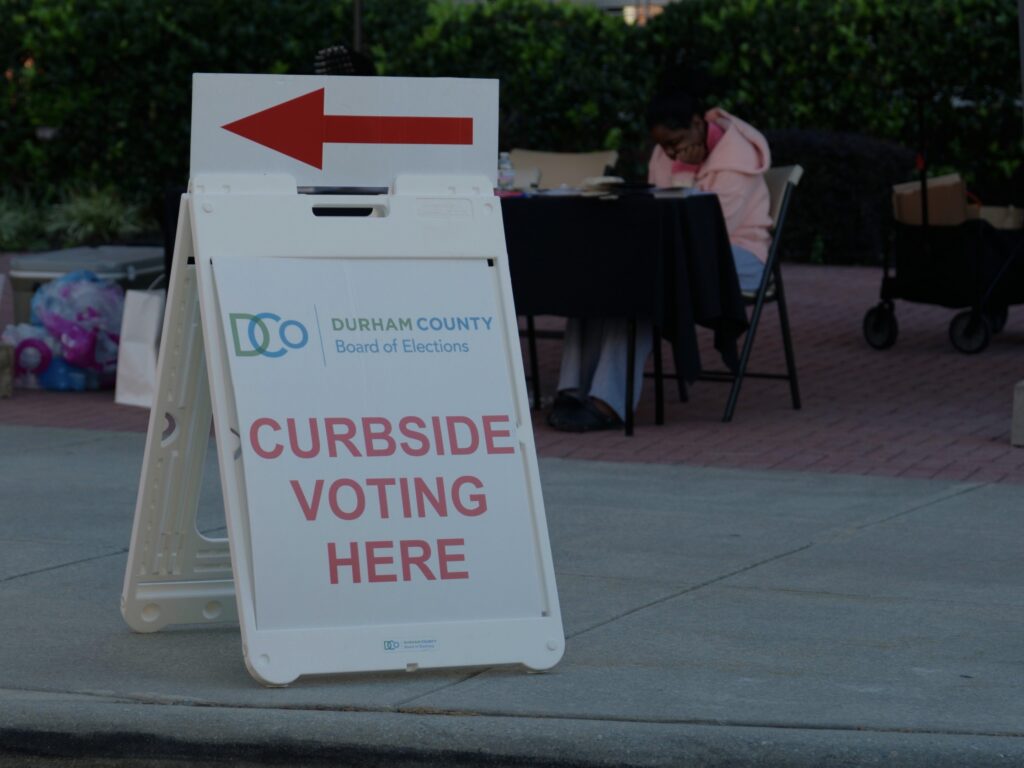
Before heading to the polls, voters should look at their sample ballots, research the candidates and read about the proposed amendments and bills. Students should also make sure they know where and how they can vote.
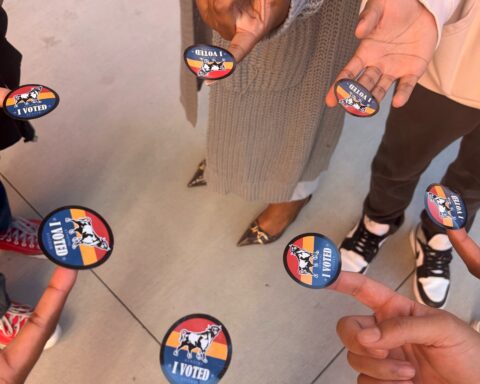
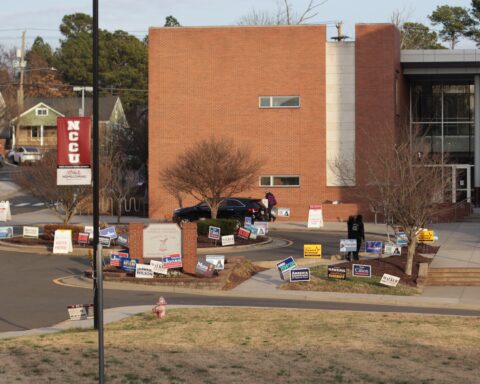
The Nov. 3 election is an opportunity for North Carolinians to have a voice in decisions that could shape the state’s future. We may not all vote the same way, but we can at least make sure we understand what we’re voting on.
A vote is more than a filled-in circle on a ballot. It should be an informed decision. Our future is in our hands, and the more informed we are, the stronger we are.