As artificial intelligence continues to develop, students at N.C. Central University are using artificial intelligence tools in their academic work, from writing assistance to research support.
As AI becomes more common in higher education, students and faculty are learning how to use it responsibly while maintaining academic integrity.
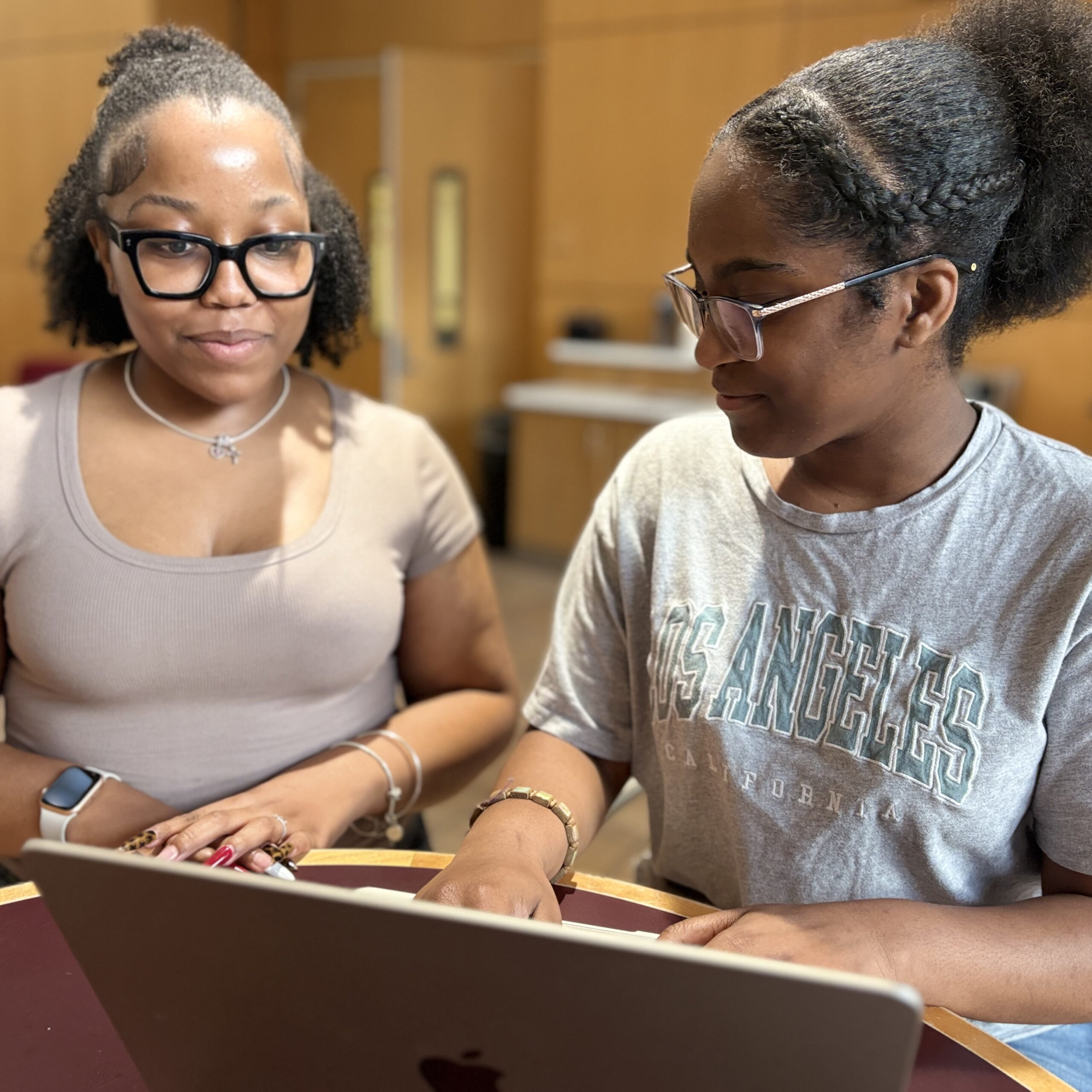
In spaces like the James E. Shepard Memorial Library, students often work on laptops, some using tools like ChatGPT to brainstorm ideas or review assignments. While these tools offer support, they have also sparked discussions about where to draw the line.
As more universities explore AI, NCCU faculty are considering how to balance innovation with accountability. Some faculty remain concerned about students’ overreliance.
The Tutoring Center can be a useful option instead of AI in the classroom, Teah Smith, Director of Tutoring and Supplemental Instruction, said.
“I encourage students to think of AI similarly to a tutor. It should support their understanding, not complete the work for them,” Smith said. “I also emphasize the importance of verifying AI-generated information, since it is not always fully accurate or reliable.”
Some professors are still in the early stages of defining AI’s role in their classrooms by setting boundaries around usage and ethics.
Conversations among some students, faculty and staff show a shared focus on learning how to use AI responsibly rather than avoiding it altogether.
One mass communications professor, Shauntae White, requires a signed statement of AI usage and requires the transcripts from the chat. Anne McCarthy, an English professor at NCCU, said she has already seen the impact of AI on student writing.
“I can tell that some of my students used AI to write essays in high school, and it has affected their ability to express their ideas in their own words,” McCarthy said.
Her observations reflect a larger concern among educators that AI tools may weaken foundational writing skills.
McCarthy said that she has adjusted her teaching to prioritize nourishing the skills students possess on their own, as well as educating them on their benefits.
“I attended some workshops on AI, and I also read articles about how the brain retains knowledge. I begin the first day of class by having them read the article “Advantages of Taking Notes by Hand” by Fernanda Ibañez, which is not about AI, but about how we learn better when we write by hand than when we use technology.”
McCarthy said that now, she requires her students to complete most of their assignments by hand.
“AI can strip students from even more thinking in a beginner writing class by writing every sentence for them,” she said.
As technology evolves, NCCU students will likely continue to see AI shape how they study, write, and engage with their education, leaving faculty to potentially alter the way they teach.