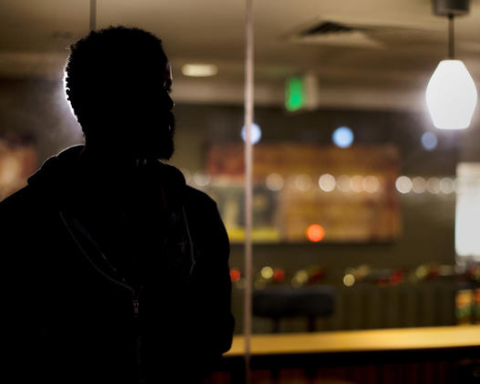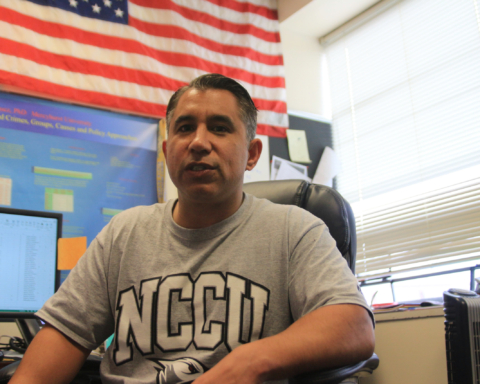
When immigration enforcement was mentioned, the energy in the panelist room shifts. A 22-year-old senior college student tightened as panelists addressed rumors and rising anxiety within Latino communities.
For students like her who are U.S citizens, the upcoming midterm elections carry more than political weight; they carry family implications.
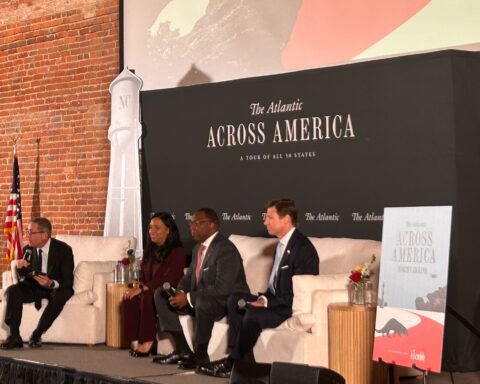
The Association of Mexicans in North Carolina, Inc. hosted a community panel on Feb. 12 to tackle the importance of the Latino voter turnout with the upcoming 2026 midterm elections and increase voting in relation to the 2022 midterm elections.
Panelists discussed barriers including fear, misinformation and low participation rates, urging engagement across North Carolina.
White panelists shared personal stories; they also pointed to a broader challenge: in the 2022 midterm elections only 25.8% of eligible Latinos in North Carolina were registered to vote according to the North Carolina State Board of Elections.
With the 2026 midterms approaching, organizers said increasing turnout could influence decisions affecting education, economics, healthcare, and economic opportunities that affect our daily lives.
Fear: Immigration concerns and rumors
Discussion touched on the topic of anxiety surrounding immigration force on U.S citizens.
“There have been threats that ICE can show up to polling locations,” said Griselda Alonso, a community health worker and founder of MOON (Mujeres Organizando Oportunidades) Notables,” referring to concerns involving U.S. immigration and Customs Enforcement.
There is no official announcement indicating that immigration agents are assigned to monitor polling sites in North Carolina.
Voting rights advocates and elected officials have declared that voter intimidations, including the use of law enforcement presence to deter votes, are illegal.
Panelists said rumors circulating the media have heightened fear, especially in mixed status families.
Even eligible voters may hesitate to cast their ballot out of concern for racial profiling.
“This year, fear can be a huge factor in why Latinos do not show up to the polls,” Alonso said.
Apathy: Midterm misinformation
Beyond fear, panelists identified apathy as another barrier.
“Due to a lack of information and political awareness, a lot of Latinos do not give importance to these elections, said Rodrigo Hernandez- Hebrard, AMEXCAN’S director of communications and public relations.
Wendy Pascual, founder of “Latino Tu Voto Cuenta” or “Latino, Your Vote Counts” organization, said turnout remains low even among those who are registered to vote.
Less than 50% of those who are registered to vote actually cast a ballot,” Pascual said. “What good is it to get people to register if they are not actually going out there to vote?”
Speakers noted that midterm elections receive less attention than presidential elections, despite their impact on state and local policy.
“Unfortunately, people do not give midterm elections the same priority,” Alonso said. “However, these elections impact us on a state and federal level.”
Information: Navigating the process
Access to reliable voting information was also highlighted as a barrier.
“There can be a lot of changes with the Board of Elections,” said Rodolfo Martinez, director of advocacy and civic leadership. “Dates and times change, and polling locations can be altered.”
Marinez said confusion about registration deadlines and voting requirements can discourage voter participation. Organizations like AMEXCAN provide assistance in helping students and members of the community locate polling places and understand eligibility requirements.
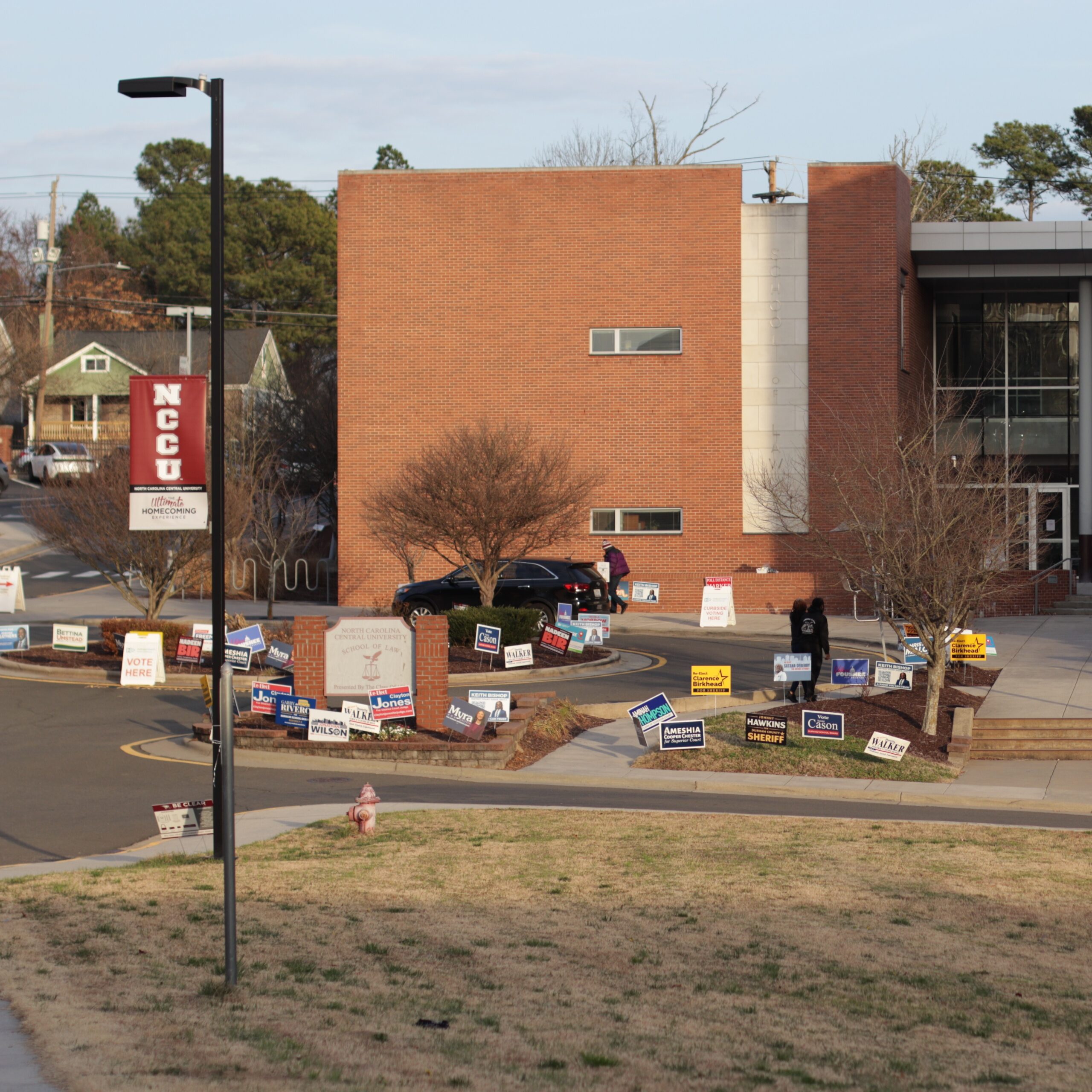
For early voting in the 2026 midterm elections, dates run from Feb. 12 through Feb. 28. Eligible voters who have missed the registration deadline can register to vote on the same day during early voting with a valid form of identification, such as license or passport.
“The million-dollar question is where are they? What are they doing? Do these midterms elections even concern them?” said Juvencio Rocha- Peralta Jr., founder of AMEXACAN. “Our youths are the future of this nation, of our communities, and the voice of those who cannot go out and vote.”